Rental Property ROI: How to Spot a Gold Mine
Learn how to calculate rental property ROI, analyze cash flow, cap rates, and location trends to find profitable real estate investments before you buy.
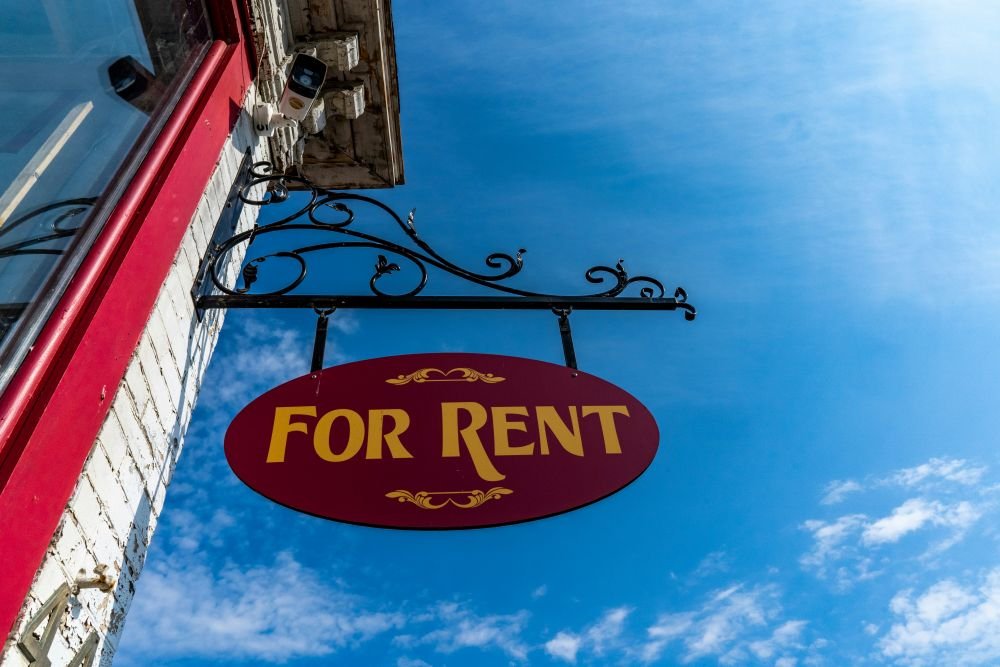
Buying rental property is often romanticized as the path to passive income. However, the reality is that not all rental properties create wealth. Some drain capital through negative cash flow, high vacancies, or excessive repairs. To find a gold mine, you must look beyond the listing price and analyze the numbers. A true ROI (Return on Investment) strategy requires a deep dive into cash flow, appreciation potential, and risk management.
This guide breaks down the essential metrics and deal checks used by successful real estate investors to identify high-performing properties.
Key Metrics to Measure ROI
When evaluating a rental property, you need more than a gut feeling. Financial metrics provide an objective basis for comparison.
Cash-on-Cash Return
This is the most direct measure of profitability based on the cash you actually put down.
- Formula: (Annual Pre-Tax Cash Flow / Total Cash Invested) x 100.
- Example: If you invest $50,000 and the property generates $5,000 in annual cash flow, your cash-on-cash return is 10%.
- Importance: This tells you how efficiently your equity is working. A 10% return is generally considered a strong target before mortgage interest.
Capitalization Rate
The cap rate estimates the property's rate of return if financed with cash. It indicates the income return without considering financing costs.
- Formula: (Net Operating Income / Current Market Value) x 100.
- Comparison: You should compare this against the local market average. If a property shows a 6% cap rate but the average in the area is 8%, the property may be overpriced.
- Risk: Lower cap rates suggest higher value appreciation potential but higher risk in a recession.
Debt Service Coverage Ratio
This is the ability of the property's income to cover its debt obligations.
- Standard: Lenders typically require a ratio of 1.25, meaning the property generates 25% more income than the mortgage payment.
- Safety: A DSCR of 1.5 or higher provides a significant buffer for unexpected vacancies or repairs.
- Cash Flow: Always ensure the property can cover its mortgage even if interest rates rise by 0.5% or 1%.
Location and Appreciation Potential
A great deal in the wrong location is a money pit. Location drives both cash flow through demand and appreciation over time.
Neighborhood Dynamics
- Job Growth: Look for areas with expanding employers. More jobs mean more tenants and stronger rent growth.
- Population Inflow: An influx of young professionals often correlates with rising rental demand and rent prices.
- Supply and Demand: Investigate the rent-to-price ratio. If there are many foreclosures or new construction, supply might exceed demand, suppressing future rents.
Crime and Amenities
- Safety: High crime rates increase insurance premiums and drive tenants away.
- Walkability: Proximity to public transport, grocery stores, and entertainment can increase rent premiums by 5% to 10%.
- School District: Even if you do not have children, high-rated school districts typically command higher rents and easier tenant turnover.
Operating Expenses and Hidden Costs
Many investors miscalculate returns by ignoring the day-to-day realities of property management.
Maintenance and Repairs
- The Rule of Thumb: Budget 1% to 2% of the purchase price annually for maintenance, repairs, and replacements.
- Hidden Issues: Old plumbing, HVAC issues, or termite damage can cost thousands of dollars upon purchase.
- Strategy: Set aside a reserve fund specifically for these expenses to prevent emergency cash flow gaps.
Vacancy and Turnover
- Vacancy Rate: Never budget for 100% occupancy. A rate of 4% to 5% is realistic for many markets.
- Turnover Costs: Marketing, cleaning, and repairs between tenants can cost $2,000 to $5,000 per cycle.
- Impact: High vacancy periods can erode your cash-on-cash returns significantly, especially in early years.
Insurance and Taxes
- Property Insurance: Costs vary widely based on location and property type.
- Property Taxes: These are not frozen. Assessments can increase after a sale or significant renovation, increasing your debt service burden.
- HOA Fees: If applicable, homeowners association fees add a significant monthly expense that must be deducted from rent.
Financing and Leverage Impact
How you finance the deal impacts your ROI. Leverage can amplify returns or losses.
Interest Rates and Term
- Fixed vs. ARM: A fixed-rate mortgage locks in costs, while an adjustable-rate mortgage (ARM) carries risk of rising payments.
- Interest Rates: Higher rates reduce cash flow. Always calculate the worst-case interest rate scenario.
- Loan Amount: The higher the loan amount relative to equity, the higher your potential return on that equity, but also the risk if income drops.
The Golden Rule of Cash Flow
- No Negative Cash Flow: Never buy a rental that costs more than the tenant pays in rent plus the mortgage. You must have positive monthly cash flow.
- Negative Carry: Properties that require you to pay out of pocket to cover the mortgage drain your capital and should generally be avoided for cash investment.
- Debt Yield: This measures the yield on your equity relative to the loan. It helps investors understand how much risk they are taking to get that return.
Risk Factors to Consider
Even high-ROI properties can fail if structural risks are overlooked.
Market Risk
Real estate is cyclical. A downturn in the economy or a drop in interest rates can impact property values.
- Mitigation: Diversify across multiple markets. Do not put all capital into a single city or zip code.
Tenant Risk
Problematic tenants can damage the property and cause legal issues.
- Mitigation: Run thorough credit and eviction checks. Require security deposits and co-signers where legally permissible.
Regulatory Risk
Local rent control laws or zoning changes can impact profitability.
- Mitigation: Understand the legal landscape of your target market before signing.
The Bottom Line
Finding a rental property gold mine is not about finding a low price; it is about finding a property with strong numbers, a reliable tenant base, and a location poised for growth.
Your ROI is a balance between Cash Flow, Appreciation, and Risk Management. A property that looks good on paper can fail if vacancy rates spike or maintenance costs exceed expectations. Always run the numbers using realistic expenses and worst-case interest rates before you make an offer.
Focus on Cash Flow first, as it funds your operations and allows you to reinvest. Do not chase appreciation alone at the expense of monthly profitability. A diversified portfolio of properties in stable markets is safer than a single high-leverage property in a shaky neighborhood.
Disclaimer: The information provided in this article is for educational purposes only and is not financial advice. All investments carry risk, including the loss of principal. Always consult with a qualified financial professional or tax advisor before making significant changes to your investment plan. Real estate markets are subject to local economic conditions and regulatory changes.
Frequently Asked Questions
What's Your Reaction?
 Like
0
Like
0
 Dislike
0
Dislike
0
 Love
0
Love
0
 Funny
0
Funny
0
 Wow
0
Wow
0
 Sad
0
Sad
0
 Angry
0
Angry
0
At KREATOR, we are building a hub for original content. We believe that quality ideas deserve to be seen and that writers deserve to be paid for their effort. This is a space where you can showcase your research, share your hobbies, or post your professional skills. By publishing here, you are contributing to a community where ideas matter. Subscribe to our newsletter, read the latest articles, and remember: your voice is valuable. Let’s build something great together.













Comments (0)