
Self-Pay vs. Health Insurance: The Financial Trap of Modern Care
A critical analysis of the trade-offs between self-paying for healthcare and purchasing insurance in a system designed to maximize provider profit.
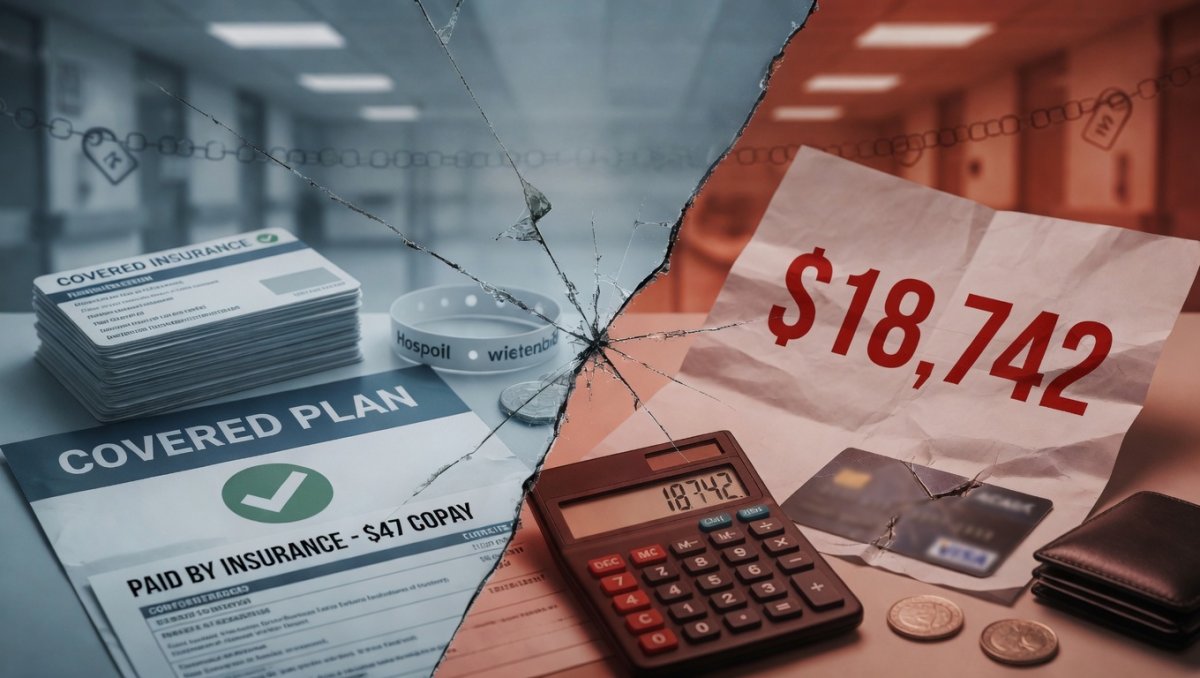
The healthcare landscape in the United States has evolved into a complex, often predatory marketplace where patients are forced to choose between the recurring drain of high premiums and the catastrophic risk of self-funding. This dichotomy is not merely a financial decision; it is a systemic failure that places the burden of risk management squarely on the individual. While the traditional narrative suggests that health insurance is a non-negotiable necessity, a critical look at the numbers reveals a more nuanced, and often grimmer, reality for the average consumer. The decision involves weighing the guaranteed loss of monthly premiums against the potential total loss of a life's savings.
The Illusion of Safety in Premiums
Insurance is frequently marketed as a shield against financial ruin, yet for many, it operates more like a high-interest subscription service with limited returns. The rise of High Deductible Health Plans (HDHPs) has shifted the financial weight onto the policyholder. Individuals often find themselves paying thousands in annual premiums only to realize they must pay several thousand more out-of-pocket before the insurer contributes a single cent. This "insurance in name only" model creates a false sense of security, where the patient is effectively self-paying for routine care while still being taxed by monthly premiums. Furthermore, the administrative friction—denied claims, "out-of-network" traps, and pre-authorization delays—adds a layer of stress that rarely accompanies a direct cash transaction.
The High-Stakes Gamble of Cash Payments
On the other side of the ledger, opting for a self-pay model offers a deceptive allure of transparency and control. It is a well-documented secret in the medical industry that "cash prices" are often significantly lower than the "chargemaster" rates billed to insurance companies. By cutting out the middleman, patients can sometimes negotiate 40% to 60% off their bills. However, this strategy is only viable for the healthy and the wealthy. The primary risks of self-paying include:
- Catastrophic Exposure: A single emergency room visit or a chronic diagnosis like cancer can lead to bills exceeding $100,000, leading directly to medical bankruptcy.
- Lack of Negotiating Leverage: While an individual can negotiate a small bill, they lack the collective bargaining power of a major insurer when facing a hospital system's legal department.
- Preventive Care Costs: Under the Affordable Care Act, insurance covers many preventive services at no cost; self-payers must fund every screening and vaccination themselves.
The Critical Verdict
Deciding between these paths requires a cold assessment of one's health status and financial liquidity. If you are young, healthy, and possess a significant emergency fund, the "cash is king" approach might seem mathematically superior in the short term. However, the American healthcare system is designed to punish those without a corporate or government shield. Insurance is less about "health" and more about "asset protection." Without it, you are not just a patient; you are a liability. Conversely, with it, you are often a profit center for an insurance giant that benefits from delaying your care. Ultimately, the choice is between the guaranteed loss of premiums and the potential total loss of self-funding. For those seeking more data on how these costs are structured, the Kaiser Family Foundation (KFF) provides extensive research on employer health benefits and the rising cost of out-of-pocket expenses, serving as a vital source for understanding these market dynamics.
What's Your Reaction?
 Like
0
Like
0
 Dislike
0
Dislike
0
 Love
0
Love
0
 Funny
0
Funny
0
 Wow
0
Wow
0
 Sad
0
Sad
0
 Angry
0
Angry
0

At KREATOR, we are building a hub for original content. We believe that quality ideas deserve to be seen and that writers deserve to be paid for their effort. This is a space where you can showcase your research, share your hobbies, or post your professional skills. By publishing here, you are contributing to a community where ideas matter. Subscribe to our newsletter, read the latest articles, and remember: your voice is valuable. Let’s build something great together.



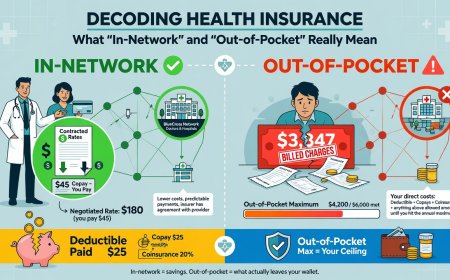









Comments (0)