
Mastering Futures Trading: A Guide to Mechanics and Risk Management
Explore the essentials of futures trading, from leverage and margin to advanced risk management strategies for navigating volatile derivative markets.
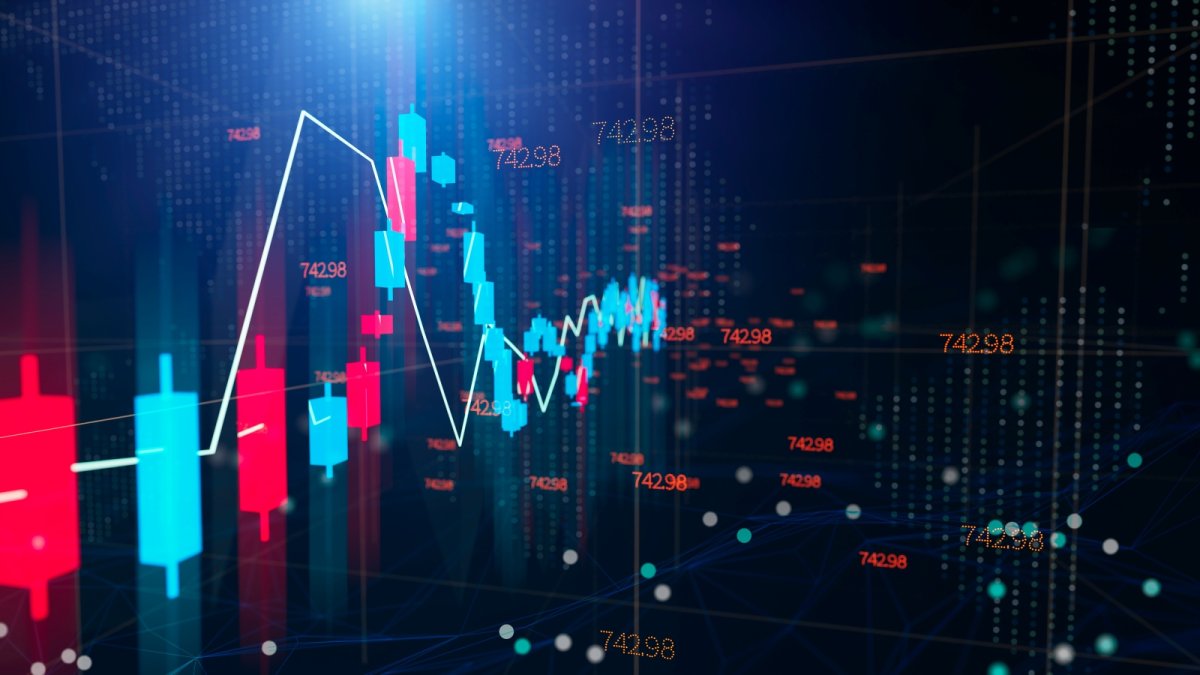
The futures market stands as one of the most dynamic and liquid segments of the global financial landscape. Originally designed to help farmers and industrial producers hedge against price fluctuations in physical commodities, it has evolved into a sophisticated arena where institutional and retail traders speculate on everything from interest rates and stock indices to cryptocurrencies and precious metals. To trade futures successfully, one must move beyond a surface-level understanding and grasp the underlying mechanics of derivative pricing, the implications of margin, and the rigorous discipline required to manage risk in a high-leverage environment. This guide explores the foundational principles of futures trading and provides a comprehensive overview of the risks involved.
Understanding the Foundations of Futures Contracts
At its core, a futures contract is a legally binding agreement to buy or sell an asset at a predetermined price at a specified time in the future. Unlike the spot market, where transactions are settled immediately, futures markets deal in expectations of future value. These contracts are standardized by regulated exchanges, such as the Chicago Mercantile Exchange (CME) or the Intercontinental Exchange (ICE). Standardization is a critical feature; it ensures that every contract for a specific asset, such as crude oil or gold, represents the same quantity and quality, allowing for seamless trading and high liquidity. Without this uniformity, the market would struggle with the complexities of individual negotiations, hindering the speed and efficiency that modern traders require.
A unique aspect of futures trading is the concept of mark-to-market. Because futures prices fluctuate daily, the exchange must ensure that both parties can fulfill their obligations. At the end of every trading session, the exchange calculates the gain or loss for every open position. If the market moves in your favor, the profit is credited to your account; if it moves against you, the loss is debited. This daily settlement process prevents the accumulation of massive, unmanageable debts and maintains the integrity of the clearinghouse. However, it also necessitates that traders maintain a constant awareness of their account balance, as a series of adverse moves can quickly deplete available capital.
The Role of Margin and the Power of Leverage
Leverage is the primary catalyst for the popularity of futures trading, yet it is also its most dangerous attribute. In the futures market, a trader does not need to pay the full value of the underlying asset to control a position. Instead, they deposit an initial margin, which is essentially a performance bond. This margin is typically a small percentage of the contract's total notional value, often ranging from 3% to 12%. For example, a trader might control $100,000 worth of an index with only $5,000 in their account. This is known as capital efficiency, and it allows for significant profit potential from relatively small price movements.
However, leverage is a double-edged sword. While it amplifies gains, it equally magnifies losses. A 5% move in the underlying asset against a trader using 20:1 leverage can result in a 100% loss of their initial margin. This brings us to the maintenance margin. If the equity in a trading account falls below a specific threshold set by the exchange, the trader receives a margin call. This requires them to immediately deposit additional funds to bring the account back to the initial margin level. If the trader fails to do so, the broker has the right to liquidate the position at the prevailing market price, often resulting in a realized loss that could have been avoided with better capital management.
Strategic Approaches to Futures Trading
Traders generally fall into two categories: hedgers and speculators. Hedgers are typically businesses or individuals who deal with the physical asset and wish to lock in prices to protect against future volatility. For instance, an airline might buy fuel futures to protect against rising oil prices, while a corn farmer might sell corn futures to guarantee a specific price for their harvest. For these participants, the futures market is an insurance policy that provides financial stability and predictability.
Speculators, on the other hand, have no interest in the physical delivery of the asset. They provide the necessary liquidity to the market by taking the opposite side of hedgers' trades. Speculators attempt to profit from price changes by using various methodologies, such as technical analysis, which involves studying price charts and patterns, or fundamental analysis, which focuses on supply and demand dynamics, geopolitical events, and economic reports. Successful speculation requires a disciplined approach to entry and exit points, as well as a deep understanding of market sentiment.
Identifying and Categorizing Market Risks
Trading futures involves several layers of risk that must be meticulously managed. The most obvious is market risk, or the risk that the price of the contract will move in an unfavorable direction. Because futures markets are open nearly 24 hours a day, price gaps can occur when the market opens after a weekend or a holiday, or following a major news event. These gaps can bypass stop-loss orders, leading to losses far greater than originally anticipated.
Another significant factor is liquidity risk. While major contracts like the E-mini S&P 500 or Crude Oil are highly liquid, smaller or more exotic contracts may have lower trading volumes. In low-liquidity environments, the bid-ask spread widens, making it more expensive to enter and exit trades. Furthermore, in extreme market conditions, liquidity can vanish entirely, leaving a trader unable to close a losing position. This is often compounded by systemic risk, where broad market failures or exchange glitches can prevent the execution of trades at critical moments.
Essential Risk Management Protocols
To survive in the futures market, a trader must prioritize capital preservation over profit generation. The first rule of professional trading is the consistent use of stop-loss orders. A stop-loss is a predetermined exit point that limits the maximum amount a trader is willing to lose on a single position. By automating this process, traders can remove the emotional burden of deciding when to cut a loss, which is often the downfall of many beginners.
Furthermore, position sizing is paramount. A common rule of thumb is never to risk more than 1% to 2% of the total account equity on any single trade. This ensures that even a string of losses will not result in a total account wipeout. Additionally, traders should be aware of the notional value of their positions. It is easy to forget that a single contract represents a massive amount of the underlying asset; understanding the true exposure helps in maintaining a realistic perspective on the risks being taken. Diversification across uncorrelated markets—such as trading both agricultural futures and interest rate futures—can also help mitigate the impact of a downturn in a specific sector.
In conclusion, futures trading offers unparalleled opportunities for profit and risk management, but it demands a high level of expertise and emotional control. The combination of leverage, daily settlement, and 24-hour market cycles creates an environment where fortunes can be made or lost in minutes. By mastering the mechanics of the contracts, respecting the power of leverage, and adhering to strict risk management protocols, traders can navigate these complex markets with confidence and professionalism.
What's Your Reaction?
 Like
1
Like
1
 Dislike
0
Dislike
0
 Love
0
Love
0
 Funny
0
Funny
0
 Wow
0
Wow
0
 Sad
0
Sad
0
 Angry
0
Angry
0

At KREATOR, we are building a hub for original content. We believe that quality ideas deserve to be seen and that writers deserve to be paid for their effort. This is a space where you can showcase your research, share your hobbies, or post your professional skills. By publishing here, you are contributing to a community where ideas matter. Subscribe to our newsletter, read the latest articles, and remember: your voice is valuable. Let’s build something great together.











Comments (0)