
Bitcoin ETF: How It Impacts Your Portfolio
Bitcoin ETF: How It Impacts Your Portfolio Meta Description: Understand the Bitcoin ETF, its volatility, and how this new asset class fits into a diversified retirement plan. Learn the risks and opportunities.
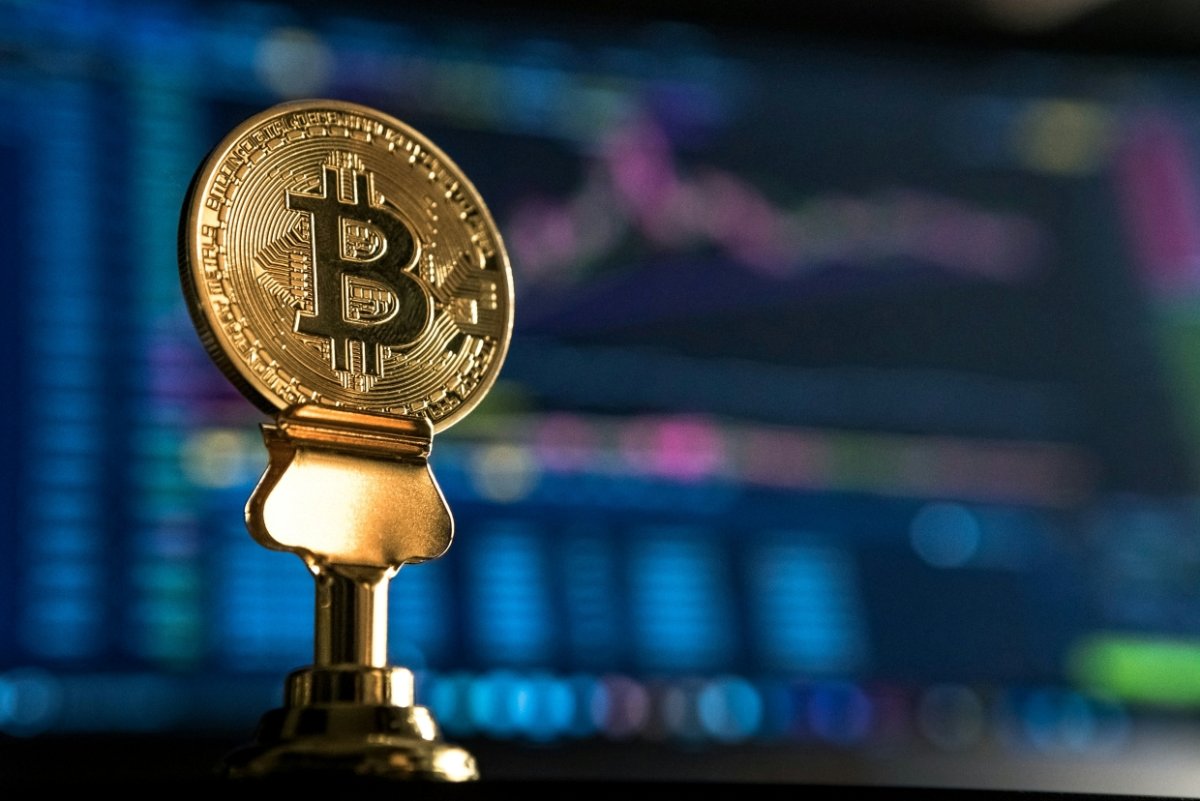
The approval of spot Bitcoin ETFs marks a pivotal moment in the history of cryptocurrency investment. It bridges the gap between traditional finance and the digital asset revolution. For many investors, this development transforms Bitcoin from a speculative currency held in a digital wallet into a regulated asset that can be bought through a standard brokerage account.
This guide explores how Bitcoin ETFs interact with your existing portfolio, the specific risks involved, and how to integrate this asset class without compromising your financial security.
Understanding the Bitcoin ETF
Before adjusting your allocation, you need to understand what you are buying.
What Is a Spot Bitcoin ETF?
A spot ETF tracks the price of Bitcoin by holding the actual cryptocurrency in a segregated wallet.
- Mechanism: You buy shares of the fund, not the coin.
- Benefit: You avoid the hassle of private key management and cold storage.
- Risk: The ETF provider holds the custody, introducing counterparty risk, albeit mitigated by regulatory standards.
What Is a Graded ETF?
These ETFs trade directly against Bitcoin futures contracts.
- Difference: They do not hold the physical Bitcoin.
- Impact: They may incur higher costs over time due to the curve on futures contracts.
- Status: Most major ETFs are now spot-based.
How It Impacts Your Portfolio
Introducing Bitcoin into a portfolio changes the risk and return profile significantly.
Diversification Benefits
Bitcoin historically has a low correlation with traditional assets like stocks and bonds.
- Upside: In periods of high inflation or recession, Bitcoin can act as a hedge.
- Downside: It can also correlate with tech stocks during risk-off periods.
- Strategy: It adds a layer of uncorrelated return potential, though not guaranteed.
Volatility and Drawdown
Bitcoin is known for its high volatility.
- Reality Check: A 30% to 50% drop is common within a single year.
- Sleep Quality: Can this affect your ability to sleep at night? If the answer is no, the volatility is manageable.
- Psychology: Holding volatile assets requires a strong stomach and a long-term horizon.
Fees and Expense Ratios
ETFs are generally more expensive than buying crypto directly.
- Cost: Expense ratios range from 0.2% to 1% annually.
- Trading Fees: Brokerage commissions may apply if your plan charges them.
- Tax Treatment: Short-term gains are taxed as income, while long-term gains are taxed at a lower rate.
Risk Factors to Consider
Every investment carries risk, but Bitcoin ETFs introduce specific new elements.
Regulatory Risk
The SEC and other regulators continue to monitor the space closely.
- Change: New rules could change how these ETFs trade or report.
- Impact: Sudden regulatory crackdowns could affect liquidity or price.
Custodial Risk
The ETF provider manages the security of Bitcoin.
- History: Hacks of exchanges have occurred, though ETF custodians are usually insured or audited.
- Mitigation: Choose providers with top-tier insurance and multi-sig security.
Liquidity Risk
Bitcoin ETFs are generally liquid, trading during market hours.
- Limitation: In extreme market crashes, the spread between the ETF price and the crypto price can widen.
- Action: Understand that you are trading shares, not moving the coin instantly.
Allocation Strategies for Bitcoin
How much of your portfolio should you dedicate to Bitcoin?
The Saturation Strategy
This involves adding Bitcoin until you reach a comfortable saturation level.
- Goal: Own 1% to 5% of your net worth.
- Pros: Limits risk while allowing for significant upside potential.
- Cons: Requires conviction to hold during long downtrends.
The Satellite Strategy
Bitcoin is treated as a satellite holding alongside core stocks and bonds.
- Goal: Bitcoin acts as a side bet to a safe core portfolio.
- Pros: Protects your main retirement nest egg from crypto volatility.
- Cons: You may miss out if Bitcoin outperforms significantly.
The Dollar-Cost Average Approach
Purchase Bitcoin ETF shares regularly rather than all at once.
- Goal: Smooth out the entry price and avoid buying the top.
- Pros: Reduces timing risk.
- Cons: You might miss a sudden market correction where prices drop.
The Bottom Line
Bitcoin ETFs offer accessibility and convenience for investors who want exposure to the digital asset class without the operational complexity of self-custody.
However, do not view this as a guaranteed win. Bitcoin remains a high-volatility asset class that belongs in a small portion of a diversified portfolio. Treat it as an alternative asset, not a replacement for your index funds.
Understand the costs, the risks, and the tax implications before pressing the buy button. The goal is to enhance your portfolio, not replace it.
Disclaimer: The information provided in this article is for educational purposes only and is not financial advice. All investments carry risk, including the loss of principal. Always consult with a qualified financial professional or tax advisor before making significant changes to your investment plan. Cryptocurrency markets are unregulated in many jurisdictions and subject to high volatility.
Frequently Asked Questions
What's Your Reaction?
 Like
0
Like
0
 Dislike
0
Dislike
0
 Love
0
Love
0
 Funny
0
Funny
0
 Wow
0
Wow
0
 Sad
0
Sad
0
 Angry
0
Angry
0

At KREATOR, we are building a hub for original content. We believe that quality ideas deserve to be seen and that writers deserve to be paid for their effort. This is a space where you can showcase your research, share your hobbies, or post your professional skills. By publishing here, you are contributing to a community where ideas matter. Subscribe to our newsletter, read the latest articles, and remember: your voice is valuable. Let’s build something great together.













Comments (0)