
10 Best Personal Finance Apps for Mastering Your Financial Goals
Discover the top personal finance apps to streamline budgeting, track investments, and achieve your financial goals with our comprehensive expert guide.
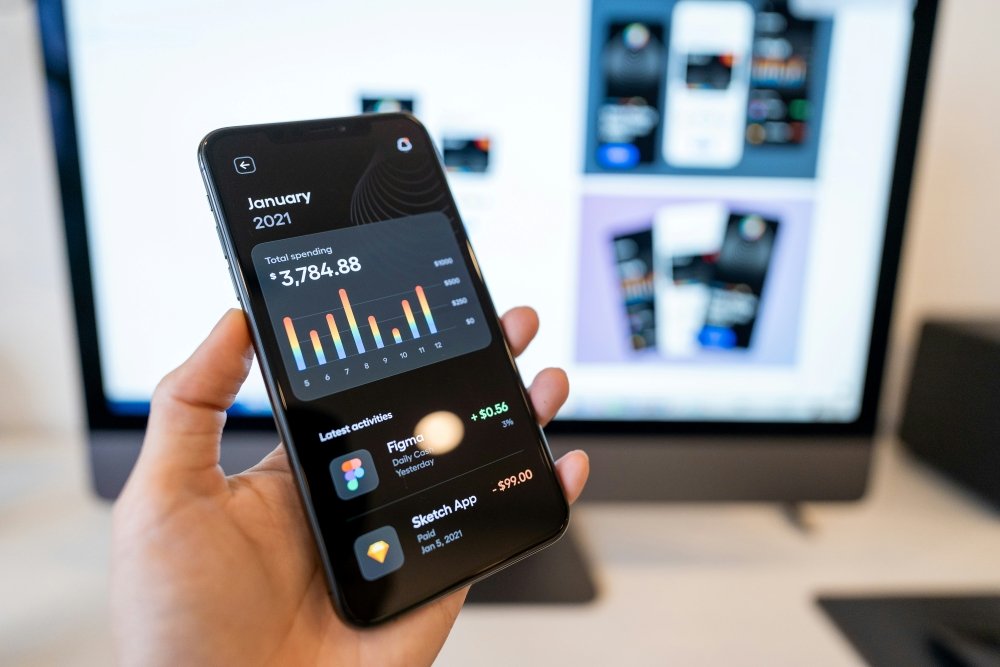
In an era defined by economic volatility and complex financial ecosystems, the transition from traditional ledger-based accounting to sophisticated digital management has become a necessity for the modern investor. Personal finance apps have evolved from simple expense trackers into comprehensive financial command centers, offering real-time insights into net worth, cash flow, and long-term investment trajectories. Selecting the appropriate tool requires an understanding of one's specific financial objectives, whether that involves aggressive debt reduction, meticulous budgeting, or high-level wealth management.
The efficacy of these digital solutions lies in their ability to aggregate data from disparate sources, providing a holistic view of one's financial health. By automating the categorization of transactions and utilizing machine learning to predict future spending patterns, these applications remove the friction often associated with manual bookkeeping. This analysis examines the top ten personal finance applications currently leading the market, evaluating their core functionalities, security protocols, and unique value propositions for diverse user demographics.
1. You Need A Budget (YNAB): The Gold Standard for Proactive Budgeting
YNAB stands as a paragon of behavioral finance, built upon a proprietary philosophy known as the Four Rules. Unlike traditional apps that merely track historical spending, YNAB requires users to assign every dollar a specific job before it is spent. This zero-based budgeting approach ensures that funds are allocated toward immediate obligations, true expenses (non-monthly bills), and long-term goals. The application is particularly effective for individuals looking to break the paycheck-to-paycheck cycle.
- Rule One: Give Every Dollar a Job. This ensures total accountability for all income.
- Rule Two: Embrace Your True Expenses. Large, infrequent bills are broken down into manageable monthly increments.
- Rule Three: Roll With The Punches. The app allows for flexibility, enabling users to reallocate funds if overspending occurs in a specific category.
- Rule Four: Age Your Money. The ultimate goal is to spend money earned at least thirty days prior, creating a significant financial buffer.
YNAB offers robust bank syncing features, though it also supports manual entry for those who prefer a more tactile connection to their spending. Its detailed reporting suite provides insights into spending trends and net worth growth over time, making it an indispensable tool for those committed to rigorous financial discipline.
2. Empower: Comprehensive Wealth and Investment Management
Formerly known as Personal Capital, Empower is tailored for individuals who have moved beyond basic budgeting and are focused on wealth accumulation and portfolio optimization. The platform excels at aggregating investment accounts, retirement funds, and physical assets to provide a real-time calculation of net worth. Its primary strength lies in its sophisticated analytical tools, which are offered free of charge to users who link their accounts.
The Investment Checkup tool is a standout feature, analyzing a user's current portfolio allocation and suggesting adjustments based on risk tolerance and retirement goals. Furthermore, Empower’s Fee Analyzer identifies hidden costs within mutual funds and 401(k) plans that could significantly erode long-term returns. For high-net-worth individuals, Empower also offers paid wealth management services, providing access to human financial advisors, though the core tracking features remain free and highly competitive.
3. Monarch Money: The Modern Successor for Comprehensive Tracking
Following the decline of legacy platforms like Mint, Monarch Money has emerged as a premier all-in-one solution for households and individuals. It emphasizes a clean, customizable user interface and a collaborative approach to finance. Monarch allows multiple users to join a single account, making it ideal for couples who wish to maintain separate accounts while tracking shared goals and household expenses.
The platform’s Custom Dashboards allow users to prioritize the information most relevant to them, whether that be monthly cash flow, investment performance, or progress toward a specific savings target. Monarch also incorporates advanced logic for transaction tagging and recurring expense tracking, ensuring that subscriptions and monthly bills never go unnoticed. Its commitment to a subscription-based model—rather than selling user data—appeals to privacy-conscious consumers seeking a premium experience without intrusive advertisements.
4. PocketGuard: Precision Spending and Debt Reduction
PocketGuard is designed for simplicity and immediate actionable insights. Its core feature, "In My Pocket," calculates how much spendable income remains after accounting for bills, goals, and pending transactions. This real-time visibility prevents overspending and simplifies the decision-making process for daily purchases. The app is particularly beneficial for those who find complex spreadsheets overwhelming and prefer a high-level overview of their financial limits.
In addition to spending tracking, PocketGuard offers a Debt Payoff Planner that utilizes strategies such as the debt snowball or debt avalanche methods. By visualizing the timeline for becoming debt-free, users are often more motivated to adhere to their financial constraints. The app also identifies opportunities to save money by analyzing recurring bills and suggesting lower-cost alternatives for services like insurance or telecommunications.
5. Simplifi by Quicken: Personalized Insights and Flexible Budgeting
Developed by the veterans at Quicken, Simplifi offers a modern, mobile-first approach to money management. It avoids the rigid structures of zero-based budgeting in favor of a more flexible Spending Plan. This plan automatically calculates what is left to spend after fixed expenses and savings goals are met. Simplifi’s strength lies in its ability to handle complex financial lives without requiring constant manual intervention.
The application features Watchlists, which allow users to monitor specific categories or tags where they tend to overspend. For instance, a user might set a watchlist for "Dining Out" to receive alerts when they approach a self-imposed limit. With its robust reporting and clean aesthetic, Simplifi bridges the gap between basic trackers and professional-grade financial software, offering a comprehensive view of both short-term cash flow and long-term net worth.
6. Goodbudget: The Digital Envelope System
Goodbudget is the digital evolution of the classic envelope budgeting method. It is designed for users who want to be intentional about their spending but may not want to sync their bank accounts directly to an app. Users manually allocate their income into virtual "envelopes" for various categories. When an envelope is empty, spending in that category must cease for the month, or funds must be moved from another envelope.
This method is highly effective for fostering awareness and communication, particularly for households sharing a budget. Goodbudget allows for seamless syncing across multiple devices, ensuring that all parties are aware of the remaining balance in each category. While it lacks the automation of its competitors, the manual nature of Goodbudget often leads to a deeper psychological commitment to the budget itself.
7. EveryDollar: Behavioral Finance and the Ramsey Method
Created by Ramsey Solutions, EveryDollar is built specifically to support the Baby Steps program popularized by Dave Ramsey. It utilizes zero-based budgeting to help users eliminate debt and build wealth systematically. The interface is intentionally sparse and focused, guiding users to prioritize an emergency fund before moving on to debt repayment and retirement savings.
The free version of EveryDollar requires manual transaction entry, which aligns with the philosophy of staying "close to the numbers." However, the premium version offers bank connectivity and more advanced reporting. For fans of the Ramsey methodology, this app provides the perfect framework to execute the specific financial milestones outlined in the program, emphasizing behavioral change over complex investment analysis.
8. Copilot: AI-Driven Insights for the Modern User
Copilot (primarily available on iOS and Mac) has gained a cult following due to its exceptional design and use of machine learning. The app learns a user's spending habits over time, becoming increasingly accurate at categorizing transactions and predicting future bills. Its Intelligence feature can identify unusual spending patterns or price increases in recurring subscriptions, acting as a proactive financial assistant.
Copilot’s interface is highly visual, utilizing heat maps and intuitive charts to illustrate where money is going. It also offers a dedicated Investment Section that tracks portfolio performance against benchmarks like the S&P 500. For users who value a high-end software experience and automated intelligence, Copilot represents the cutting edge of personal finance technology.
9. Zeta: Financial Harmony for Couples
Zeta is uniquely positioned to address the financial complexities of modern relationships. Whether a couple is dating, engaged, or married, Zeta provides tools to manage shared expenses while maintaining individual autonomy. The app supports joint and individual accounts, allowing users to decide exactly what information they want to share with their partner.
Beyond simple tracking, Zeta includes features like shared goals and a memo system for transactions, enabling partners to communicate about specific purchases within the app. By centralizing the "financial talk," Zeta helps reduce the friction often associated with household money management. Its focus on the relational aspect of finance makes it a standout choice for those navigating the transition from solo to joint financial planning.
10. Honeydue: Collaborative Budgeting for Partners
Similar to Zeta, Honeydue is designed specifically for couples, but it focuses heavily on simplicity and real-time communication. It allows partners to see all their bank balances and credit card limits in one place, providing a transparent view of the household's total liabilities and assets. Users can choose to share all accounts or just specific ones, maintaining a balance between transparency and privacy.
Honeydue’s bill reminder system is particularly useful for preventing late fees, as it sends notifications to both partners when an upcoming payment is due. The app also includes an integrated chat feature, allowing couples to discuss transactions or budget adjustments without leaving the platform. For couples seeking a straightforward, no-cost solution to stay on the same page financially, Honeydue is an excellent entry-point.
Strategic Considerations for Choosing a Finance App
When selecting a personal finance application, security must remain a primary concern. Most leading apps utilize AES-256 encryption and multi-factor authentication (MFA) to protect sensitive data. Many also use third-party aggregators like Plaid or Finicity, which allow the app to view transaction data without ever having access to the user's actual login credentials. Before committing to a platform, users should verify the app’s data-sharing policies and ensure it meets industry standards for financial privacy.
Furthermore, the choice between a free and a paid app often comes down to the value of automation. Free apps frequently require more manual effort or display advertisements, whereas subscription-based models like YNAB or Monarch Money offer a cleaner, more automated experience. Users should consider whether the time saved and the insights gained justify the monthly or annual fee. Ultimately, the best app is the one that the user will engage with consistently, as the true value of these tools lies in long-term data accumulation and the resulting behavioral shifts.
In conclusion, the landscape of personal finance apps offers a solution for every financial philosophy and goal. From the rigorous discipline of YNAB to the high-level investment analysis of Empower, these tools empower individuals to take control of their financial destiny. By leveraging technology to automate the mundane aspects of money management, users can focus on the strategic decisions that lead to long-term prosperity and peace of mind.
What's Your Reaction?
 Like
0
Like
0
 Dislike
0
Dislike
0
 Love
0
Love
0
 Funny
0
Funny
0
 Wow
0
Wow
0
 Sad
0
Sad
0
 Angry
0
Angry
0

At KREATOR, we are building a hub for original content. We believe that quality ideas deserve to be seen and that writers deserve to be paid for their effort. This is a space where you can showcase your research, share your hobbies, or post your professional skills. By publishing here, you are contributing to a community where ideas matter. Subscribe to our newsletter, read the latest articles, and remember: your voice is valuable. Let’s build something great together.













Comments (0)